✦ Model guideWhere can I put my house?Where can I put my house?

Off-grid

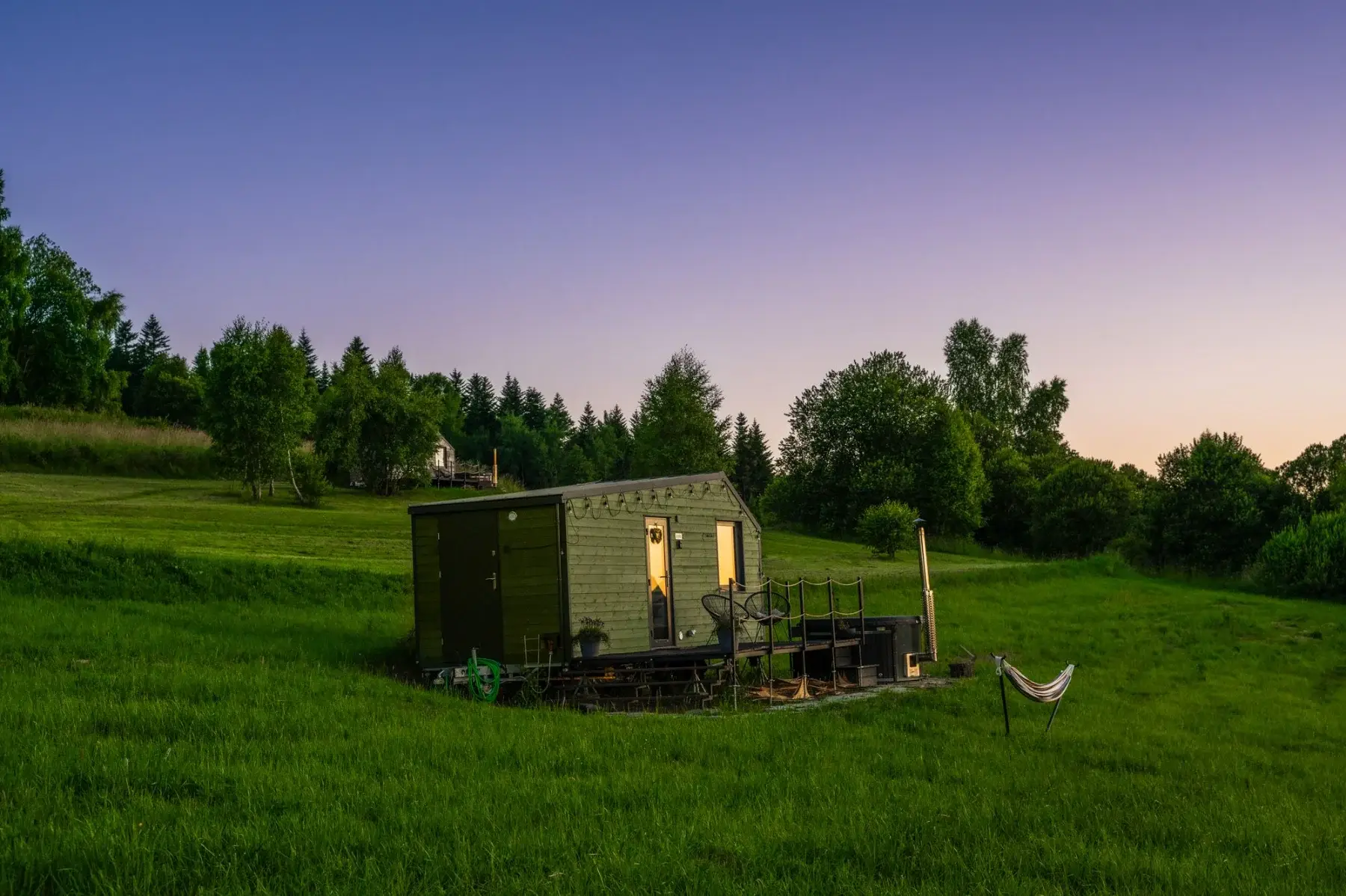
Off-grid living, planned properly

Many of our customers have done it, from holiday cabins in Portugal to private homes in the Norwegian mountains. Here is how it works, what changes with where you live, and what it costs on our houses.

Design your off-grid house →
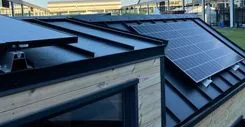
  • PowerSun and battery2 000 W of panels, a 5.12 kWh lithium battery
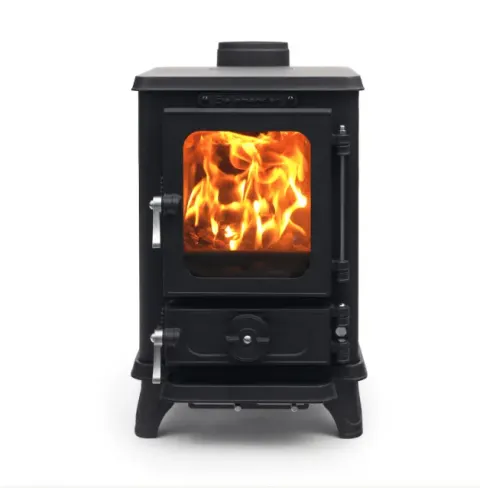
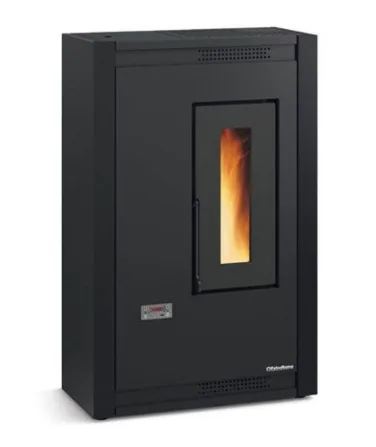
  • HeatWood or pelletsa 4 kW wood stove needs no power at all; the pellet stove gives 2.4 to 4.4 kW
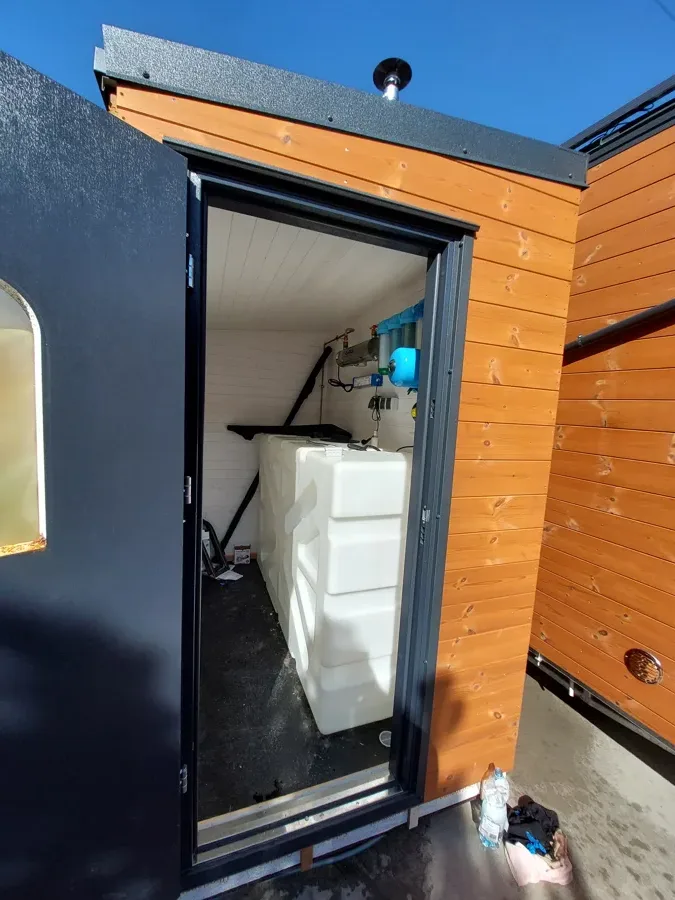
  • WaterYour own waterfiltered rainwater from a 1 250 l tank, or a 210 l tank in the house
  • ToiletCompost or fireno water, no sewer

Climate

Where off-grid is easy, and where it is hard

The same house goes off-grid much more easily in the south than in the north. What decides it is the winter sun.

  • Portugal and Spain

    Easy, all year round

    Even in December, our 2 000 W of panels give around 6 to 7 kWh a day in Lisbon and Madrid, more than a small tiny house needs.

    Hiide: off-grid cabins in Portugal, built by us →
  • Germany and France

    It works, but it is tight in midwinter

    In Lyon and Munich the panels still give about 3 to 3.5 kWh a day in December: enough for a careful house, with little to spare in dark weeks.

  • Scandinavia

    Winter is the hard part

    Summer is easy. But around Christmas the panels give under 1 kWh a day in Oslo and Uppsala, just when you need the most light and heat. It works, with heating on wood and a plan for the darkest weeks.

Rule one

Take the big loads off electricity

Solar panels on a tiny house roof can run the lights, a fridge, a laptop and the water pump. They can't run heating, hot water and cooking as well. So going off-grid starts by moving those three to wood, pellets or gas. That one decision matters more than the size of your solar system.

On the gridOff the grid, on our houses
HeatingElectric heater or heat pumpWood stove (Salamander Hobbit, 4 kW), which needs no electricity at all, or pellet stove (La Nordica Luisella, 2.4 to 4.4 kW), which uses 27 to 34 W while it runs
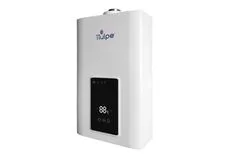
Hot waterElectric water heaterGas tankless water heater: hot water on demand, for as long as you shower. An electric tankless heater needs a 15 to 20 kW connection, which no off-grid system delivers.
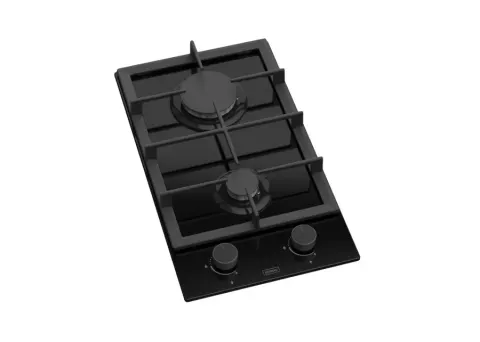
CookingInduction cooktopGas cooktop with two burners
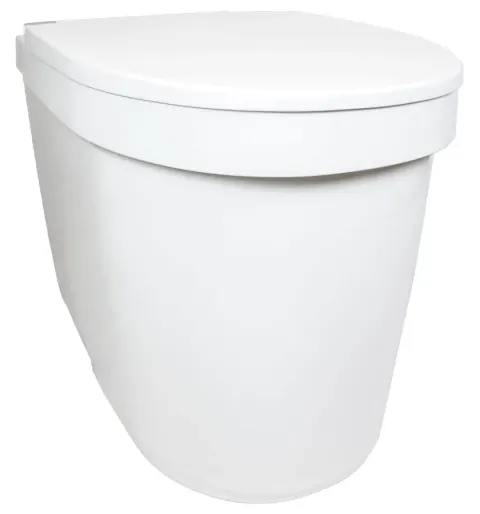
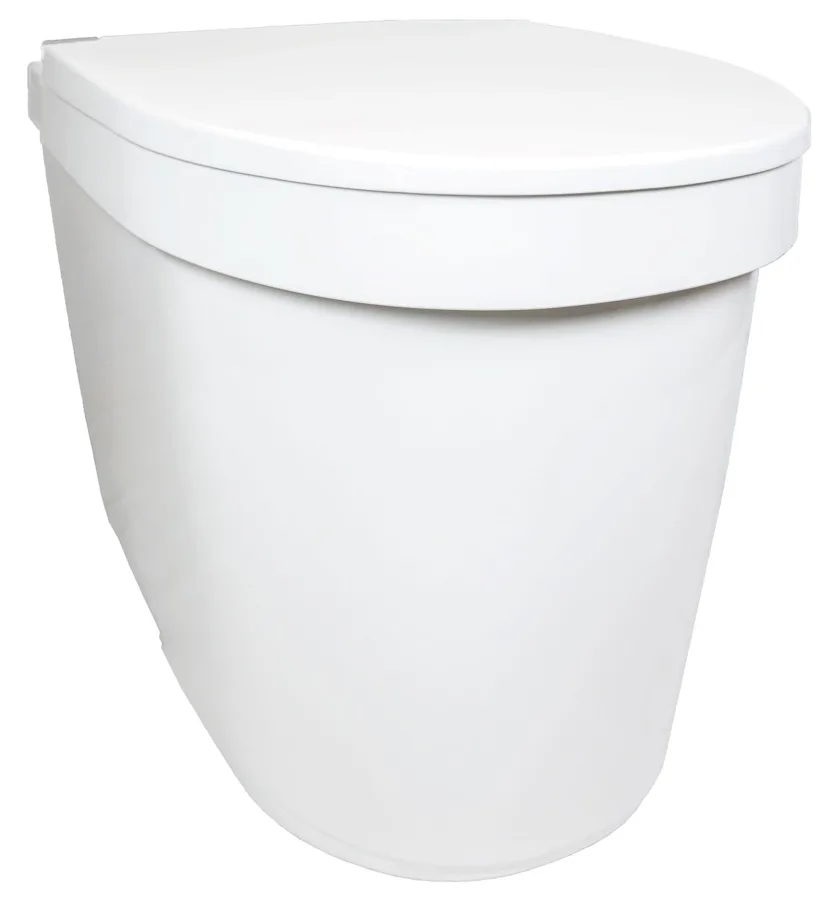
ToiletFlush toilet and sewerComposting toilet (Separett Tiny), with no water and only a small fan, or gas incinerating toilet (Cinderella Freedom), which needs only 12 V
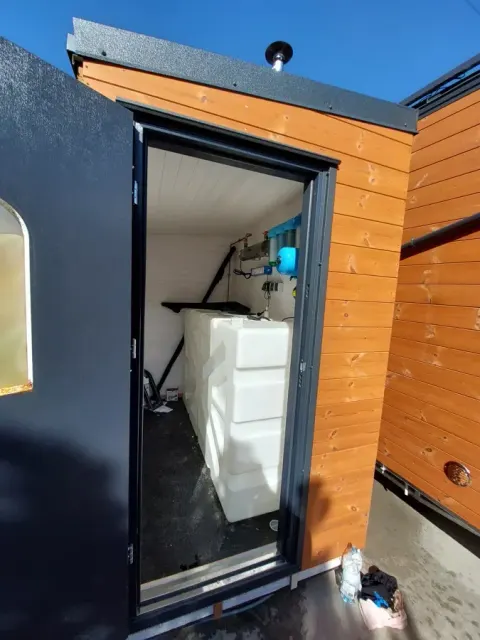
WaterMains water and drainRainwater with filtration (a 1 250 l tank in its own shed), or a 210 l fresh water tank, plus a 105 l grey water tank on wheels

The sun where you live

Size it for December, not for June

A system that works in June can fail in December. In Scandinavia no tiny house roof keeps up for a few weeks around Christmas, so most people who live off-grid there add a second source for those weeks. Here is what the same 2 000 W of panels produce per day, in midsummer and in midwinter:

Size it for December, not for June (kWh a day)
JuneDecember
Lisbon10.25.9
Madrid10.46.7
Lyon9.33.5
Munich8.43.1
Copenhagen9.51.1
Oslo9.10.7
Uppsala9.30.6
2 000 W facing south at 35°, from PVGIS, the European Commission's free solar calculator. Your own roof, angle and shade change the numbers; PVGIS gives them for your exact spot.
How much power does a tiny house use?

A small, well-planned tiny house with heating, hot water and cooking off electricity uses roughly 600 to 1 000 kWh a year, about 1.5 to 3 kWh a day. In Portugal or Spain the sun covers that all year round. In Germany it gets tight in midwinter, but it works.

What about the darkest weeks in Scandinavia?

In Scandinavia there are a few weeks around Christmas when no tiny house roof keeps up, whatever you spend. Most people who live off-grid there all year add a second source for those weeks: a small generator, an occasional hook-up, or simply using less. Planning for that is cheaper than buying a system big enough to avoid it.

How long does the battery last without sun?

Our battery stores 5.12 kWh, enough for roughly two to three days without sun. Keep it inside the warm part of the house, because batteries lose capacity in the cold.

Water and toilet

Your own water, no sewer needed

Water

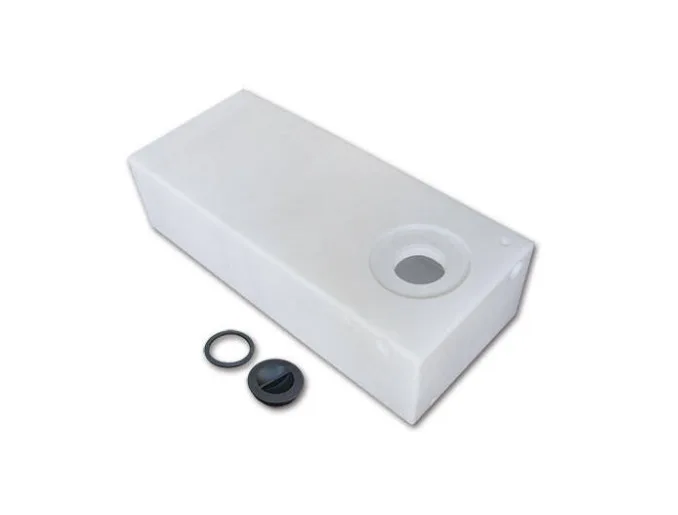
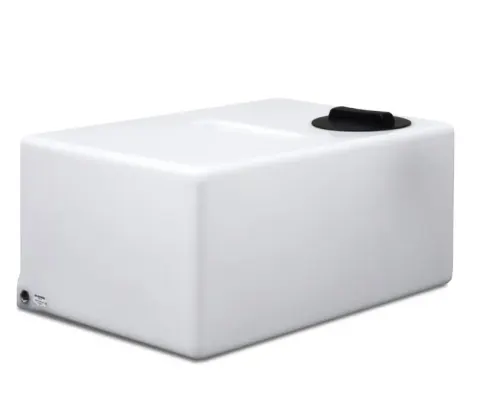
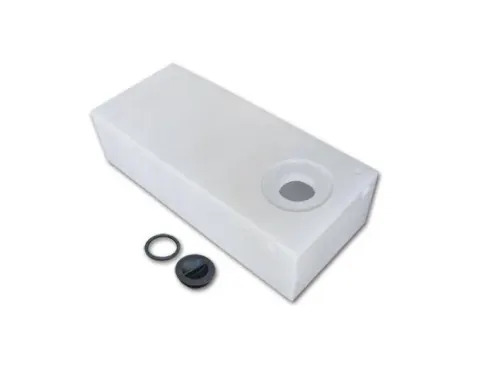
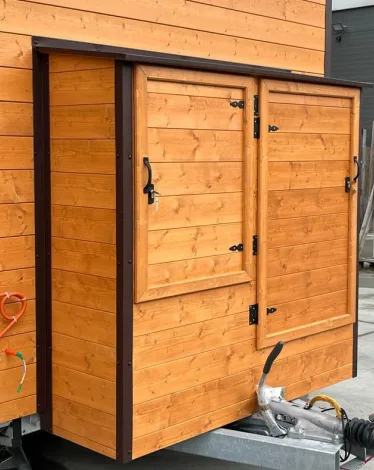
Our rainwater system collects rain into a 1 250 l tank and filters it, with all the technology in its own small shed. For a house that moves, a 210 l fresh water tank sits in the plumbing, and a 105 l grey water tank on wheels collects the water from the sink and shower, to empty at a disposal point. When it drops below zero, a frost guard cable keeps the water connection from freezing.
Toilet

A composting toilet separates liquids from solids and needs no water, only a small fan. An incinerating toilet burns everything to a little ash. Off-grid, take the gas version, because the electric one needs far more power than a solar system can spare.

Check the local rules first

Two things to check before you count on them: whether rainwater may be used as drinking water where you live, and where grey water may go. Both are local rules, and your municipality can tell you.

What it costs

Every model has a fully off-grid version

Every model has a fully off-grid price: furnished, with solar power, water tanks, a stove, and cooking and hot water on gas.

ModelFully furnishedFully off-gridDifference
Nature Pod32 500 €41 000 €+8 500 €
Sofia39 500 €53 000 €+13 500 €
Maya44 000 €58 000 €+14 000 €
River55 500 €69 000 €+13 500 €
Zenith61 000 €75 000 €+14 000 €
Evergreen80 500 €94 000 €+13 500 €

Or build it up piece by piece

Power

  • Solar-ready: cables laid while the walls are open. Can't be added later, so decide before production.200 €
  • Solar system: 2 000 W of panels, 5.12 kWh battery, 3 000 W inverter7 190 €

Heat

  • Wood stove, Salamander Hobbit3 050 €
  • Pellet stove, La Nordica Luisella3 697 €

Hot water and cooking

  • Gas tankless water heater1 250 €
  • Gas cooktop, two burners350 €

Water

  • Rainwater system: 1 250 l tank, filtration and shed5 320 €
  • Fresh water tank, 210 l1 500 €
  • Grey water tank on wheels, 105 l500 €

Toilet

  • Composting toilet, Separett Tiny1 150 €
  • Gas incinerating toilet, Cinderella Freedom5 880 €

Other

  • Shed on the drawbar, for the technology1 120 €

Prices excluding VAT, from our price calculator in October 2026. They are the same for all models.

Questions

What people ask us about off-grid

Can I make a ready-built house off-grid later?

Partly. Panels and tanks can often be added, but the pipework, tanks and wiring that live inside the walls go in before the walls are closed. A stove isn't a simple add-on either: it needs planning and a flue through the roof or wall. So a ready-built house from our stock can't become fully off-grid afterwards. If off-grid matters to you, tell us before the build, and ask us what can still be added if you have already bought.

Does going off-grid help with permits?

It can. In Portugal, the national planning guidance treats a connection to water, sewage, electricity or gas as a sign that a structure is permanent and part of the land, whether or not it has wheels; a caravan without connections counts as movable property. In France, a résidence démontable, the category for a light home without foundations lived in as a main residence, may be autonomous from the networks: it doesn't have to be connected, but without a connection you need a certificate covering water, sanitation, electricity and fire safety. The rules for where you put the house still apply, so ask your municipality first. Our FAQ has the rules for fourteen countries.

Does the off-grid equipment add weight?

Yes. Tanks, batteries and a stove add weight, which matters if you also want to stay under 3.5 tonnes so you can tow the house yourself. Our small and medium models can usually be both off-grid and under 3.5 tonnes, depending on the other materials and furnishing you choose; the larger ones usually can't. Tell us early, so we can plan the weight with you.

Can I sell my surplus power to the grid?

No. Our solar systems are off-grid systems with a battery. Once the battery is full, the system simply holds it there; nothing is fed into the grid.

Will it work through a Scandinavian winter?

Yes, with heating on wood or pellets and a plan for the darkest weeks. From late November to January the sun gives a tiny house roof very little in Sweden and Norway, so people living off-grid there all year use a small generator, an occasional hook-up or simply less power in those weeks.

LisaMadeleneJenny

Design your off-grid house

Pick a model in our price calculator and choose the off-grid options. Or tell us where the house will stand and what you want to run, and we'll size it with you.

[email protected] · +46 (0)18 25 88 99

Calculate your price

Earn with us

Refer a friend →1 000 –⁠ 2 000 € for every house sold through your link. Anyone can join.Sell our houses →Add our houses to your offer and earn around 3 500 to 10 000 € on every sale.Rent them out →Lease a house, rent it out, and what it earns above the lease is yours.